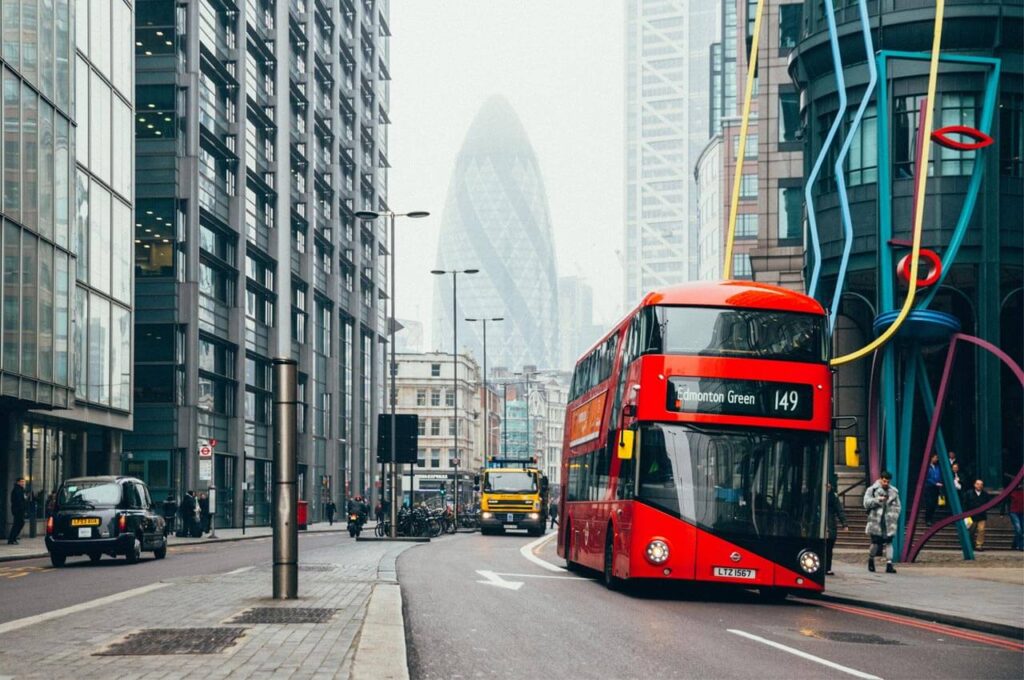

Everything You Wanted to Know About mega city’s

It seems like you might be interested in information about mega cities. A mega city is generally defined as an urban area with a population of over 10 million people. These cities are characterized by their immense size, population density, and economic significance. Here are some key aspects you might want to know about mega cities:

Population Density:

Mega cities have extremely high population densities, often resulting in crowded living conditions and significant challenges in terms of infrastructure, transportation, and public services.

Global Economic Hubs:

Many mega cities are major global economic centers, contributing significantly to national and international economies. They often serve as hubs for finance, commerce, and innovation.

Urbanization:

Mega cities are at the forefront of urbanization trends. The rapid growth of these cities is often associated with rural-to-urban migration as people move from rural areas to seek better economic opportunities and improved living conditions.

Infrastructure Challenges:

Managing the infrastructure of mega cities is a complex task. Issues such as traffic congestion, housing shortages, and environmental concerns become more pronounced due to the sheer size and density of the population.

Cultural Diversity:

Mega cities are often melting pots of cultures, languages, and traditions. The diversity in these cities is a result of the influx of people from various regions and backgrounds.

Technological Innovation:

Mega cities tend to be centers of technological innovation and development. They attract talent and investment, fostering an environment conducive to technological advancements and research.

Environmental Impact:

The rapid urbanization and high population density in mega cities can lead to significant environmental challenges, including pollution, increased energy consumption, and the need for sustainable urban planning.

Social Inequality:

While mega cities offer opportunities, they also face issues of social inequality. Disparities in income, access to education, and healthcare can be significant challenges within these urban areas.

Examples of mega cities include Tokyo, New York City, Beijing, Mumbai, and Sao Paulo. Each of these cities has its unique characteristics, challenges, and contributions to the global landscape.

If you have specific questions or areas of interest within the topic of mega cities, feel free to ask for more detailed information!


Metro city’s should make road with protection In mind

Creating roads with protection in mind is a crucial aspect of urban planning and infrastructure development, especially in densely populated areas like metro cities. Here are several considerations and measures that can be taken to design roads with safety and protection in mind:

Pedestrian Safety:

Design sidewalks and crosswalks to ensure the safety of pedestrians.
Implement pedestrian-friendly infrastructure, such as pedestrian islands and overpasses.
Install adequate street lighting for better visibility during nighttime.

Cyclist Infrastructure:

Develop dedicated bike lanes to encourage cycling as a sustainable mode of transportation.
Install bike racks and other amenities to support cyclists.

Traffic Calming Measures:

Implement measures like speed bumps, traffic circles, and chicanes to control vehicle speeds and enhance road safety.
Design roads with narrower lanes to naturally reduce vehicle speeds.

Green Spaces and Landscaping:

Integrate green spaces and landscaping along roadways to enhance aesthetics and provide a buffer between pedestrians and vehicles.
Plant trees strategically to provide shade, improve air quality, and create a more pleasant environment.

Accessible Infrastructure:

Ensure roads are designed to be accessible for people with disabilities, including wheelchair ramps, audible signals at crosswalks, and tactile paving.

Smart Traffic Management Systems:

Implement intelligent traffic management systems that use technology to monitor and control traffic flow, reducing congestion and enhancing safety.

Public Transportation Integration:

Develop efficient public transportation systems and integrate them with road networks to reduce the reliance on private vehicles.
Create dedicated lanes or routes for buses and other public transit.

Emergency Services Access:

Ensure easy access for emergency services with well-designed road networks that allow quick response times.

Road Surface Quality:

Regularly maintain and upgrade road surfaces to minimize potholes and uneven terrain, reducing the risk of accidents.

Safety Barriers and Guardrails:

Install safety barriers and guardrails along roads, especially in areas prone to accidents or near steep slopes.

Advanced Warning Systems:

Implement advanced warning systems for drivers, such as electronic signage displaying real-time traffic information and potential hazards.

Community Engagement:

Involve the community in the planning process to understand local needs and concerns regarding road safety.
By incorporating these measures into the design and planning of roads, metro cities can enhance overall safety, promote sustainable transportation, and create a more livable urban environment.

Go For Western Economy With These Pioneering

It seems like your request is a bit unclear, but I’ll provide some general advice for promoting economic development and pioneering initiatives in a Western economy. Western economies typically refer to the economies of developed countries in North America, Europe, and other parts of the Western world. Here are some strategies and areas to consider:

Innovation and Technology:

Foster a culture of innovation by supporting research and development activities.
Invest in emerging technologies such as artificial intelligence, biotechnology, and renewable energy.
Create a conducive environment for startups and provide incentives for tech entrepreneurship.

Education and Skills Development:

Invest in education to ensure a skilled and adaptable workforce.
Promote STEM (science, technology, engineering, and mathematics) education to meet the demands of a technologically advancing economy.

Sustainable Development:

Implement sustainable practices to address environmental concerns and promote green technologies.
Encourage businesses to adopt environmentally friendly practices and invest in clean energy.

Infrastructure Investment:

Upgrade and expand infrastructure, including transportation, communication, and energy networks.
Infrastructure projects can stimulate economic growth and create job opportunities.

Global Trade and Partnerships:

Foster international trade relations to expand market access for businesses.
Strengthen partnerships with other Western and global economies for mutual economic benefits.

Entrepreneurship Support:

Provide financial support, mentorship programs, and incubators for entrepreneurs.
Streamline regulatory processes to make it easier for businesses, especially startups, to operate.

Diversification of Industries:

Encourage diversification of industries to reduce dependence on a single sector.
Promote the growth of emerging industries that align with global trends.

Financial Sector Reforms:

Implement reforms in the financial sector to ensure stability and facilitate investment.
Encourage responsible lending practices and regulatory measures to prevent financial crises.

Workforce Flexibility:

Promote flexible work arrangements to adapt to changing economic conditions.
Support lifelong learning initiatives to keep the workforce adaptable and competitive.

Government Support Programs:

Design and implement targeted support programs for industries facing challenges.
Offer incentives for businesses engaged in socially responsible practices.

Healthcare and Well-being:

Prioritize the health and well-being of the workforce to ensure productivity.
Invest in healthcare infrastructure and preventive measures.

Crisis Preparedness:

Develop robust crisis management and resilience strategies to navigate economic uncertainties.
Remember that the specific strategies will depend on the unique challenges and opportunities in the particular Western economy you are considering. Collaborating with various stakeholders, including government, businesses, and communities, is essential for successful economic development initiatives.

Where to travel asia Kind Mid Spirit

If you’re seeking a destination in Asia with a kind and mild spirit, you might want to consider places known for their warm hospitality, cultural richness, and a generally laid-back atmosphere. Here are a few suggestions:

Japan:

Highlights:

Japan is known for its polite and respectful culture. You can explore traditional tea ceremonies, visit serene temples and shrines, and enjoy the tranquility of Japanese gardens.
Recommendations: Kyoto, known for its historic temples, and Nara, where friendly deer roam freely, are excellent choices. The countryside, such as the region around Takayama, offers a more relaxed pace.

Bhutan:

Highlights:

Bhutan is famous for its emphasis on Gross National Happiness, and its people are known for their kindness. You can explore monasteries, hike in the Himalayas, and experience a unique blend of tradition and modernity.

Recommendations:

Visit Paro for the iconic Tiger’s Nest Monastery and explore the capital city, Thimphu.

Taiwan:

Highlights:

Taiwan is known for its friendly locals, delicious street food, and a mix of traditional and modern attractions. The island offers beautiful landscapes, vibrant night markets, and historic sites.
Recommendations: Taipei, the capital, is a great starting point. Explore the stunning Taroko Gorge, relax in hot springs, and enjoy the hospitality of rural areas.

Nepal:

Highlights:

Known for its stunning landscapes and friendly locals, Nepal offers a mix of adventure and cultural experiences. You can trek in the Himalayas, visit ancient temples, and experience the warmth of the Nepalese people.

Recommendations:

Kathmandu, the capital, is rich in history. For a more laid-back experience, consider Pokhara with its beautiful lakes and mountain views.

Malaysia:

Highlights:

Malaysia is a diverse country with a blend of cultures, including Malay, Chinese, and Indian. Experience the hospitality of the people, explore vibrant cities, and relax on beautiful beaches.

Recommendations:

Kuala Lumpur for a modern city experience, Penang for its rich cultural heritage, and the islands of Langkawi or Tioman for a more laid-back atmosphere.
Remember that the kindness and spirit of a place also depend on personal interactions and experiences. These suggestions offer a starting point, but you may find warmth and friendliness in various destinations across Asia. It’s always a good idea to respect local customs and traditions to fully appreciate the kind spirit of the places you visit.

Cargo industry welcome foreign investment

The attitude towards foreign investment in the cargo industry can vary from country to country and is subject to change based on government policies and regulations. In general, many countries welcome foreign investment in the cargo and logistics sector as it can contribute to economic growth, infrastructure development, and job creation. However, the specific conditions and regulations can vary.

Here are some common reasons why countries might welcome foreign investment in the cargo industry:

Infrastructure Development:

Foreign investment can contribute to the development and improvement of transportation infrastructure, including ports, airports, and logistics facilities.

Technology Transfer:

Foreign investors often bring advanced technologies, expertise, and best practices, which can enhance the efficiency and competitiveness of the cargo industry.

Job Creation:

Investments in the cargo industry can lead to the creation of jobs, both directly in the logistics sector and indirectly in related industries.

Economic Growth:

A thriving cargo industry is often linked to overall economic growth, as efficient transportation and logistics are essential for trade and commerce.

Global Connectivity:

Foreign investment can enhance global connectivity, making a country more attractive for international trade and investment.

Diversification of Services:

Foreign investors may introduce new services, technologies, and logistics solutions that can diversify and improve the overall cargo industry.

Countries that have well-established and strategic locations for international trade, such as major ports and logistics hubs, often actively seek foreign investment to maintain and enhance their competitiveness.

However, it’s important to note that regulations and policies regarding foreign investment can change, and there may be restrictions or conditions imposed by individual countries. Investors should carefully research the legal and regulatory environment in the specific country of interest and consider factors such as political stability, legal frameworks, and potential challenges.

For the most up-to-date and specific information on a particular country’s stance on foreign investment in the cargo industry, it is recommended to check with relevant government authorities, trade associations, or consult legal and business experts familiar with the region.

Working Together to Make Investments

Working together to make investments can be a rewarding venture, but it requires careful planning, communication, and alignment of goals. Here are steps and considerations to help guide you when collaborating with others on investments:

Clarify Objectives:

Clearly define your investment objectives, whether it’s long-term wealth accumulation, short-term gains, or a specific financial goal. Ensure that all parties involved have a shared understanding of the investment objectives.

Establish Trust and Open Communication:

Trust is crucial in any partnership. Establish open and transparent communication channels from the beginning. Discuss expectations, risk tolerance, and investment preferences.

Define Roles and Responsibilities:

Clearly outline each participant’s roles and responsibilities in the investment venture. This includes decision-making processes, financial contributions, and ongoing management duties.

Legal Structure:

Choose an appropriate legal structure for your collaboration. Options include forming a partnership, joint venture, limited liability company (LLC), or another entity. The chosen structure will impact taxation, liability, and management.

Draft a Partnership Agreement:

Develop a comprehensive partnership agreement that details the terms and conditions of the collaboration. Include provisions for profit-sharing, decision-making, dispute resolution, and the exit strategy.

Financial Contributions:

Determine how much each participant will contribute financially to the investment. Be clear about the distribution of profits and losses based on these contributions.

Risk Assessment:

Conduct a thorough risk assessment for potential investments. Identify and evaluate risks associated with the chosen investment strategy or asset class.

Due Diligence:

Perform due diligence on potential investment opportunities. Research the market, analyze financial data, and consider factors that might affect the success of the investment.

Investment Diversification:

Consider diversifying investments across different assets or sectors to spread risk. Diversification can help mitigate the impact of poor performance in a specific investment.

Legal and Regulatory Compliance:

Ensure that your investment activities comply with relevant laws and regulations. Seek legal advice to navigate any complexities in the regulatory landscape.

Regular Updates and Reporting:

Establish a system for regular updates and reporting on the performance of investments. This helps maintain transparency and keeps all participants informed.

Exit Strategies:

Discuss and document exit strategies within the partnership agreement. Determine the circumstances under which participants can exit the collaboration and how assets will be distributed.

Professional Advice:

Seek advice from financial advisors, legal professionals, and other experts in the field. Their guidance can provide valuable insights and help you make informed decisions.
Remember that effective communication, trust, and a clear understanding of roles and responsibilities are essential for a successful investment partnership. Regularly reassess your investment strategy and adjust your approach as needed based on changing market conditions and goals.

have is days together meat fill for give you’re

It seems that the phrase is still a bit unclear, but I’ll do my best to provide information based on a possible interpretation. If you are asking for details about spending days together and preparing meat-filled dishes, here’s some general information:

Spending Days Together:

Spending quality time together is important for building relationships and creating lasting memories. Activities could include going for walks, having meaningful conversations, enjoying shared hobbies, or exploring new places.

Meat-Filled Dishes:
Meat-filled dishes can be diverse and delicious. Different cuisines offer various options, such as:
Dumplings:

Various cultures have their versions of meat-filled dumplings, like Chinese dumplings or Italian ravioli.

Meat Pies:

Savory pies with meat fillings are popular in many cuisines.

Stuffed Peppers:

Bell peppers filled with a mixture of ground meat and rice are a common dish in some regions.

Tacos or Burritos:

Mexican cuisine offers options for meat-filled tacos or burritos.

Sharing Meals:

Sharing meals together can be a wonderful way to connect. It provides an opportunity for bonding, enjoying good food, and creating a sense of togetherness.
If you have a specific aspect you would like more information about or if there’s a different interpretation of your request, please provide additional details so I can offer a more accurate response.

we are able to create beautifull and amazing things

Absolutely! The capacity to create beautiful and amazing things is a distinctive trait of human beings. Here are some aspects and examples of human creativity and the ability to produce remarkable creations:

Artistic Expression:

Humans have a long history of expressing themselves through various forms of art, including painting, sculpture, music, dance, literature, and more. These creative endeavors allow individuals to convey emotions, thoughts, and experiences in unique and meaningful ways.

Innovation and Invention:

Human creativity is evident in the field of innovation and invention. From technological advancements to scientific breakthroughs, individuals and teams have consistently pushed the boundaries of what is possible.

Architectural Marvels:

Throughout history, humans have constructed awe-inspiring architectural structures, from ancient wonders like the pyramids of Egypt to modern marvels such as skyscrapers and bridges. Architecture is a testament to human ingenuity and creativity.

Design and Fashion:

The world of design and fashion showcases human creativity in creating aesthetically pleasing and functional products. Designers and artists contribute to the beauty of everyday objects, from clothing to furniture to digital interfaces.

Culinary Arts:

Chefs and cooks demonstrate creativity in the kitchen, combining flavors, textures, and presentation to create delightful and visually appealing dishes.

Literary Works:

The written word is a powerful form of creative expression. Authors, poets, and playwrights craft stories and poems that captivate readers and convey profound messages.

Film and Media Production:

Filmmakers, directors, and media producers bring stories to life through visual and auditory creativity. Movies, television shows, and other forms of media entertain, inspire, and challenge perspectives.

Music Composition:

Musicians compose melodies, harmonies, and lyrics that evoke emotions and connect with listeners on a deep level. Music is a universal language that transcends cultural boundaries.

Technology and Digital Creativity:

The digital age has opened up new avenues for creative expression, including digital art, virtual reality experiences, and interactive media.

Environmental and Landscape Design:

Landscape architects and environmental designers create spaces that harmonize with nature while serving practical purposes, showcasing a blend of functionality and aesthetics.

Personal Expression:

Individual creativity is also expressed in personal hobbies, crafts, and DIY projects. People find joy in creating handmade items, whether it’s artwork, crafts, or home decor.
The ability to create beautiful and amazing things is a fundamental aspect of the human experience, showcasing the richness and diversity of human creativity across various domains.